Author makes a compelling case that there is no evidence to support claim that ultra-processed food such as sliced bread is ‘bad’
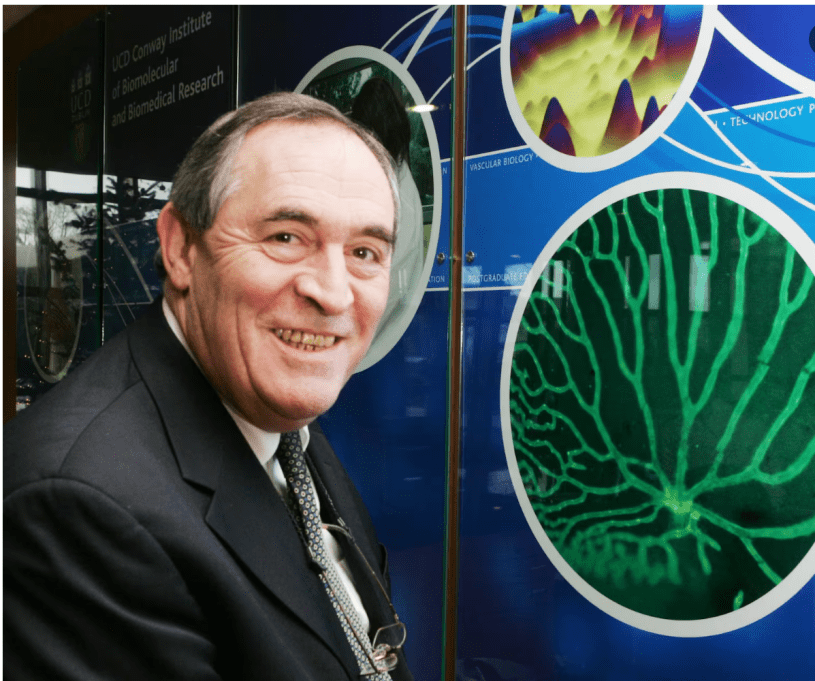
“The ultra-processed food movement is pure populist science,” says the author of this book, Mike Gibney, the late professor emeritus of food and health at UCD, a renowned nutritional scientist and powerful science communicator.
The UP (ultra-processed) food theorists, as the author calls them, offer simple dietary solutions to complex public health problems, not supported by data.
Many voices advocate that UP foods, which include sliced bread, salted cheese and low-fat milk, are “bad” and must be reduced or totally avoided in our diet.
The author makes a compelling case that there is no evidence to support this.
Across the history of science, it has often been the case that only the top tier of scientists are not afraid to contradict conventional wisdom or vested interests.
So it is with this author, who died in February 2023, after a stellar scientific career, just before he completed this, his fourth and final popular science book.
He is critical of the plethora of celebrity food writers, journalists and talkshow hosts, whom he says push the notion that UP foods are bad – using communication talents that give them a “false air of authority” – without a shred of evidence.
Perhaps the main target of the author’s ire, however, are the scientists who developed the Nova food classification system that demonised UP foods.
Scientists in the University of São Paulo, who developed Nova, argued that foods should be categorised based on processing rather than food content.
Many people accepted their arguments and a powerful anti-UP foods lobby grew.
The group benefited, the author says, from a mistrust of industry dating back to the late 19th century, when companies began putting additives into foods.
The key thing for public health is not how much a food has been processed but what nutrients it contains, the author says.
“There is not a scintilla of hard evidence from Nova as to why we should eat less bread,” the author says.
The final chapter of the book is written by the author’s daughter Eileen, who laments, like her father, that the two passionate camps that have grown up around the UP foods debate are not willing to listen to each other.
Food researchers, she concludes, need to do a better job of providing the public with helpful nutritional advice based on available data.
 Science Spinning