‘Climate chaos’ is disrupting Ireland’s plants, which will have a knock-on affect on the animals that rely on them to survive
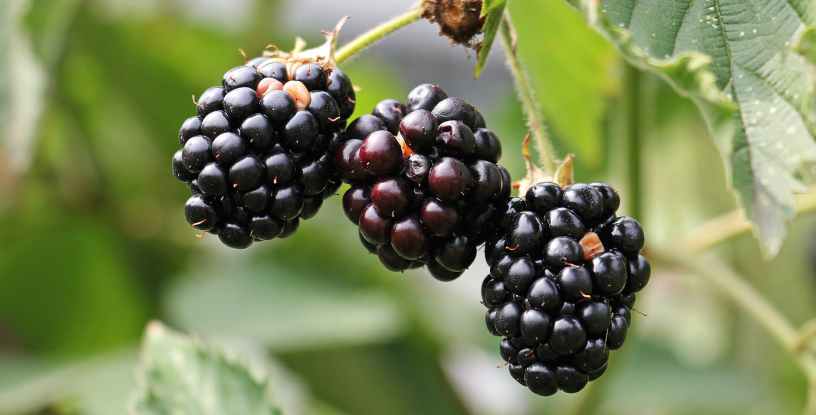
In the hedgerows and woodlands of Ireland, autumn has been marked out by the first flush of blackberries, the fall of conkers and the golden turn of leaves.
But, in recent years, and again this autumn, reassuring natural milestones have begun to change and shift, and – in some cases – have been severely disrupted.
Climate warming is one thing, but scientists say the unpredictability of our weather is even worse.
This year alone, Storm Éowyn brought record 183kmh gusts in January, we experienced the warmest spring on record, and we had the 12th hottest July since records began 126 years ago.
Zoe Popper is a plant scientist at the University of Galway. She noticed changes in fruiting patterns this autumn.
“There are fluctuations, year on year, but this year they’re a little bit earlier,” she said.
The triggers for fruiting in plants are based on a combination of day length and temperature, said Dr Popper, with plant genes that are responsible for initiating the fruiting cycle only activating when conditions are just right.
Stress and drought can push plants to fruit earlier, she added, which can have serious impacts on birds and other native animals that are reliant on the fruits to survive.
“All the little creatures that are using the berries as their main source of food in autumn, when they need it – it’s getting colder at that time, and they need that fuel – if the fruits have passed that’s not great,” Dr Popper said. “A few weeks can make a huge difference to whether an animal can survive or not.”
Noeleen Smyth, a horticulturalist and lecturer at UCD, is also concerned about the signs of climate chaos that she sees this autumn, which fit into a pattern of changes that researchers have been tracking over a century.
“If all the fruits go early, our birds are facing a long, lean winter,” Dr Smyth said.
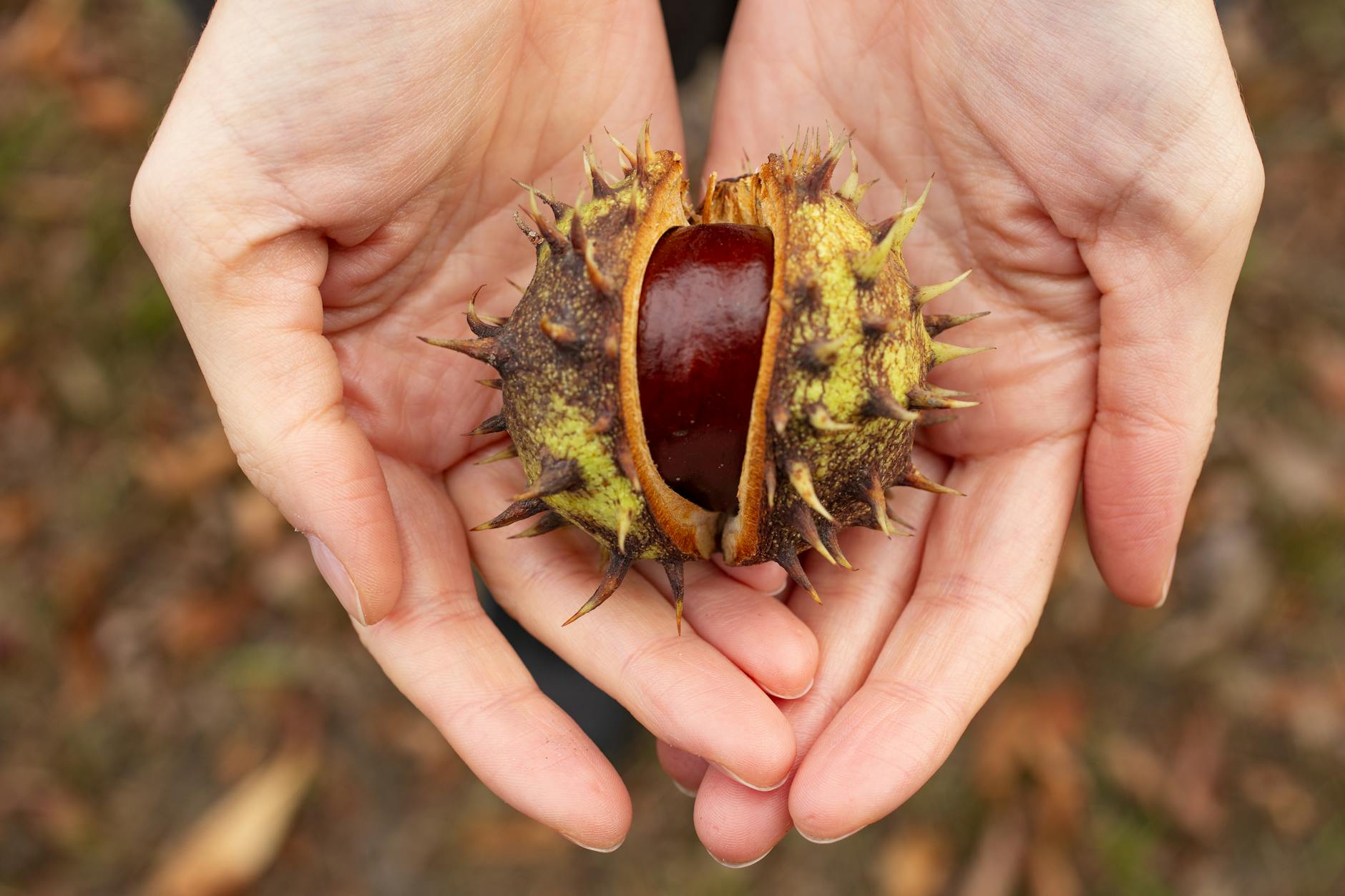
You are seeing conkers on the ground earlier, but they’re smaller than you remember as a child
The warm weather is also triggering autumnal disruption by helping pests, she added: “There’s a leaf miner [moth] that lives inside the leaves of horse chestnut trees, causing a false autumn.
“It’s a stress response … Usually when a plant gets stressed it goes straight to the reproductive phase, so you are seeing conkers on the ground earlier, but they’re smaller than you remember as a child.”
Dr Smyth is an expert on invasive species, and said that climate change is behind the arrival of damaging invasive species, such as the Asian hornet (a voracious predator of bees), which has been spotted in Cork in recent days.
“If [an Asian hornet] gets established, it can eat 11kg of honey bees or insects every year,” Dr Smyth said. “Our bees are already under threat, and we rely on them to pollinate our fruits. If something flowers early and the bees aren’t out, we might not get pollination, and then no fruit.”
The term climate change, Dr Smyth said, no longer captures the seriousness or extent of what is happening in the natural world:
“It’s death by a thousand cuts.
“There are lots of little things happening – early fruiting, pets, invasive species, all interacting.
“One year, you could have early growth and flowers coming out in spring, followed by hard frost, then all the flowers are gone. The next year, it’s hot and dry.
“We can’t predict what is coming.”
Colin Kelleher is keeper of the National Herbarium at the National Botanic Gardens in Glasnevin. He said the earlier fruiting of blackberries has been going on for a long time, with a study in 2012 finding that, in 2007, Irish blackberries fruited two weeks earlier than they did in 1852.
Dr Kelleher said that changes were happening that would affect Ireland’s flora as climate change progressed.
He said that there were cases of plants flowering “out of time” and that this was a “sign of stress”. For instance, the Callery pear, a plant native to East Asia and grown at the Botanic Gardens, has been observed flowering twice – in spring and autumn – rather than once (in early- to mid-spring), as is normal.
Though the challenges are huge, all is not lost
This autumn has seen early crops of apples, raspberries and plums that may be helping growers, but not nature.
In southern England, vineyards have been thriving where grapes once struggled to ripen, while olive trees – which need consistent sunlight – have borne fruit in pots on Dublin’s Grafton Street.
Though the challenges are huge, the scientists say that all is not lost.
Dr Popper said that seaweed polysaccharides – made up of long chains of carbohydrates – can offer new strategies to protect crops against disease.
Dr Smyth spoke of building landscape resilience by harvesting rainwater, preserving hedgerows, and maintaining the wild habitats that still exist.
 Science Spinning